Keeping a lawn healthy and attractive requires more than just regular mowing and watering. One of the key steps to maintaining its vitality is scarification. Below, we explain what scarifying is, why it is important, when you should do it, and how to carry it out.
What lawn scarification means
Scarifying the lawn consists of removing moss and the layer of dead organic material (also called “thatch”) that builds up on the soil surface and between the lawn roots. This process allows air, water and nutrients to penetrate the soil more effectively, promoting healthier and more vigorous growth.
The build-up of thatch and moss can choke the lawn, preventing the roots from receiving the sunlight, water and nutrients they need in order to grow. By scarifying, you not only improve the health of the existing lawn, but also prepare the ground for stronger, denser growth in the future.

When should you scarify the lawn?
The ideal time to scarify the lawn is during spring (March to May) or autumn (September to November). In spring, the lawn is in an active growth phase and can recover quickly. In autumn, cooler temperatures and higher soil moisture provide a favourable environment for the lawn to recover after scarification.
It is important to avoid scarifying during summer or winter. In summer, the additional stress can seriously damage the lawn due to heat and drought. In winter, low temperatures and lack of growth can make it difficult for the lawn to recover.
It is also advisable to scarify when the lawn is slightly moist. If the soil is too dry, it can be difficult to penetrate the thatch, and if it is too wet, it can cause damage to both the lawn and the soil. A good practice is to water the lawn one or two days before scarifying to achieve the right level of moisture.
Why you should scarify the lawn
Scarification is essential for several reasons:
- Improves air circulation: It removes thatch and allows the lawn to breathe, improving air circulation around the roots. This is vital to prevent fungal diseases that can develop in damp, poorly ventilated environments.
- Improves nutrient and water absorption: It makes it easier for water and fertilisers to reach the grass roots. Without proper scarification, nutrients and water may stay on the surface instead of penetrating the soil where they are most needed.
- Reduces moss build-up: Moss competes with the lawn for nutrients and space, so removing it is crucial to achieve a dense, healthy lawn. Moss tends to grow in shady, damp areas and its presence can indicate that the lawn is not receiving enough sunlight or that the soil has poor drainage.
- Promotes new root growth: By removing the surface layers of thatch and moss, you stimulate the development of new roots, strengthening the lawn. A strong root system is essential for the lawn’s resistance to drought and disease.
- Increases lawn density: Scarification helps newly sown grass seed to have better contact with the soil, improving germination and therefore increasing lawn density.
- Improves the lawn’s appearance: A scarified and well-maintained lawn looks greener and healthier, which enhances the overall appearance of your garden.
How to scarify the lawn
Scarifying the lawn is straightforward if you follow the correct steps. Here is a detailed guide on how to do it:
How to scarify the lawn step by step
- Prepare the lawn: Cut the lawn to a medium–low height (around 4 cm). This makes scarification easier and ensures that the blades of the scarifier reach the thatch and moss. Make sure you mow the lawn when it is dry to prevent the blades from clogging with wet grass.
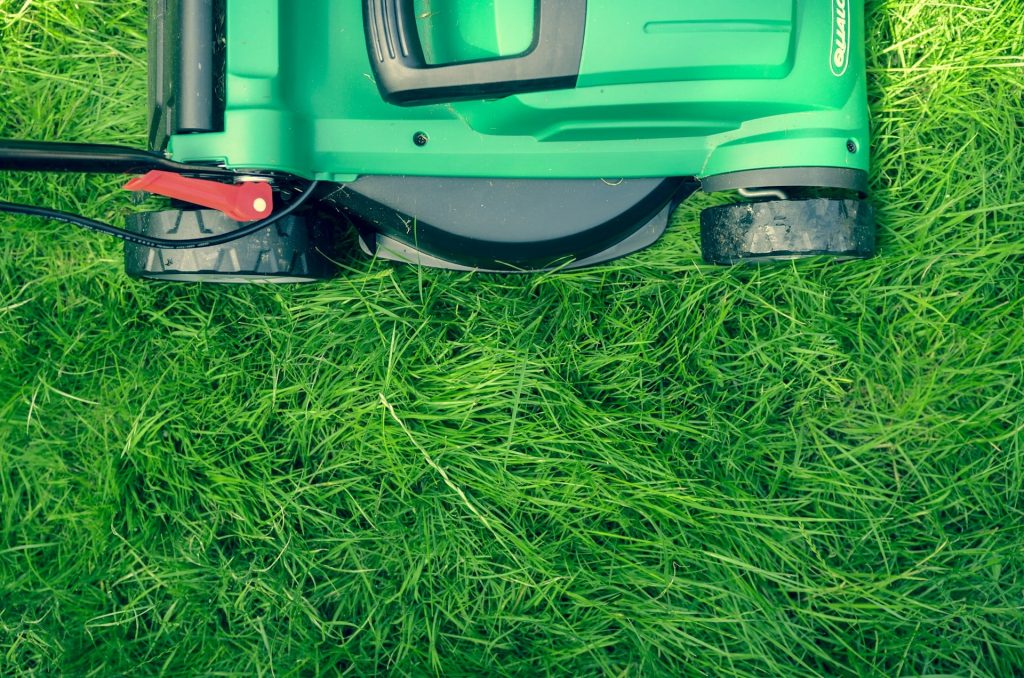
- Choose the right equipment: You can use a manual scarifier, which is suitable for small gardens, or an electric or petrol scarifier for larger areas. Manual scarifiers are more economical and eco-friendly, but require more physical effort. Electric or petrol scarifiers are more efficient for larger spaces, although they involve a higher investment.
- Scarify in two directions: Pass the scarifier over the lawn in one direction, making sure you cover the entire surface. Then repeat the process in a direction perpendicular to the first pass. This ensures complete and effective coverage and helps lift as much thatch and moss as possible.
- Collect the debris: After scarifying, collect the remaining thatch and moss from the lawn surface. You can use a rake for this step. The debris can be composted or disposed of appropriately. Make sure you do not leave residues on the lawn, as they can smother the new seedlings.
- Repair and maintenance: If you find damaged areas or spots where the lawn is very thin, apply a layer of topsoil and sow new seed. Water properly to encourage germination and growth. It is advisable to use a seed mix that is suitable for your lawn type and climate.
- Fertilisation: Apply a suitable fertiliser to help the lawn recover and promote vigorous growth. A fertiliser rich in phosphorus is ideal to stimulate root development, while one containing nitrogen will help encourage lush, green growth.
Other tips for scarifying your lawn
- Carry out a deep watering: Deep watering before and after scarifying helps the grass roots absorb water and nutrients more efficiently.
- Avoid soil compaction: Scarification can compact the soil, especially if heavy equipment is used. To prevent this, you can aerate the lawn after scarifying with a lawn aerator.
- Monitor soil pH: A suitable soil pH is essential for lawn health. You can carry out a soil test and adjust the pH if necessary, using lime to raise it or sulphur to lower it.
Keeping your lawn in good condition can be challenging. If you need professional help, do not hesitate to hire the lawn maintenance services from Guijarro Jardines. Our team of gardeners in Alicante will make sure your lawn is always in the best condition so you can enjoy a green, healthy garden all year round.
With these steps and tips, you can scarify your lawn effectively, ensuring it stays healthy and attractive. Remember that a well-maintained lawn not only improves the appearance of your home, but also provides a pleasant space for the whole family to enjoy.