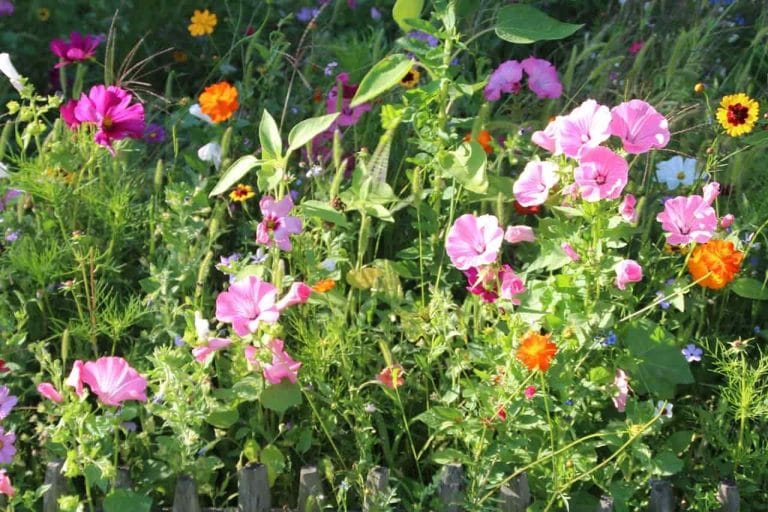
The cyclamen is one of the most beloved winter plants thanks to its elegance and its ability to brighten even the greyest spaces with its flowering. With blooms ranging from pure white to deep red, including all shades of pink and purple, this plant becomes the focal point of any home or garden during the coldest months. Proper care ensures an impressive flowering period that can last for several months.
Main characteristics of cyclamen
Native to Mediterranean regions of Europe and Asia, cyclamen (Cyclamen persicum) is a tuberous plant known for its reflexed petals and heart-shaped leaves with striking silver patterns. There are standard varieties, whose flowers can reach up to 8 cm in diameter, and mini varieties—more compact but equally charming. Its flowering season runs from October to April, making it especially valued for adding colour when most plants are dormant.
Cyclamen care
Cyclamen dazzles both in gardens and indoors, but it requires specific care throughout its life cycle. Below are the most important aspects.
Temperature
Outdoors, cyclamen tolerates low temperatures well, withstanding down to –2°C for short periods. Ideally, place it in sheltered garden areas, away from strong winds. Indoors, keep the temperature between 15–20°C and away from heating sources.
Light
In the garden it prefers partial shade, such as under deciduous trees or areas with filtered light. Avoid direct midday sun, which can scorch its leaves and flowers. Indoors, place it near windows with indirect light.
Soil and planting
Outdoors, it prefers well-drained soils rich in organic matter. If the soil is clayey, improve drainage by adding coarse sand and compost. For outdoor pots, use a flower-specific substrate with good drainage. Indoors, use a universal mix with perlite to achieve optimal aeration.
Watering
Outdoors, watering will depend on natural rainfall. Water only when the soil feels dry, always avoiding waterlogging. Reduce watering on rainy days and during the summer dormant period. Indoors, water by immersion when the surface of the soil is dry, and let excess water drain completely.
Humidity
Outdoors, ambient humidity is usually sufficient, but in very dry areas you can group plants to create a more humid microclimate. Indoors, avoid placing it near sources of direct heat.
Fertilising and nutrition
Outdoors, fertilise every 3–4 weeks during flowering with a flower-specific fertiliser. In autumn, add compost around the plants to improve soil quality. Suspend fertilising during the summer dormancy phase.
Pruning and maintenance
Regularly remove faded flowers by gently pulling the entire flower stem. Remove yellowing leaves to prevent fungal diseases. In the garden, keep the area free of weeds.
Common problems and solutions
Although cyclamen is resilient, it can face a number of problems during its growing cycle that require timely attention. Here are the most common issues and how to solve them.
Pests
Outdoors, watch for slugs and snails, especially in damp weather. Aphids may also appear in spring. Use ecological methods for control.
Diseases
Excess moisture from persistent rain can cause rot. Improve drainage and avoid overwatering. Indoors, ensure good ventilation.
Dormant period and recovery
Cyclamen goes dormant in summer. Leaves dry out and the plant appears to disappear. Do not water during this period and mark the location to avoid damaging the tubers when digging. It will sprout again in autumn.
Professional care services
At Guijarro Jardines, we understand that each plant has specific needs. That’s why we offer specialised maintenance services to ensure your cyclamens and all your plants stay in perfect condition all year round.
Our team of gardeners in Alicante can take care of the comprehensive maintenance of your green spaces, adapting to the specific needs of each species. Discover our garden maintenance services and leave your plants in professional hands.