
A well-kept garden is not only a haven for nature at home, but also a relaxing, enjoyable space for the whole family. However, over time and without proper attention, a garden can become neglected, full of weeds, dead plants and dull, unhealthy grass. Fortunately, with a bit of planning and effort, it’s possible to turn even the most abandoned garden into a green oasis. In this guide, we’ll explain step by step how to fix a garden, from the initial assessment to planting and ongoing maintenance.
Initial assessment of the garden
Before you begin working on your garden, you must carry out a thorough assessment to understand the current state of the space and determine which areas require the most attention.
The first step is to walk through the garden and observe carefully. Take note of plants that are dead or diseased, as well as those that may need pruning or transplanting. Evaluate the condition of the lawn by checking for brown patches, bare areas or weed invasions. It’s also crucial to inspect the soil to determine its quality; compacted or eroded soil will need treatment to ensure healthy plant growth.
Cleaning and preparing the ground
After assessing the garden’s condition, it’s time to clean and prepare the ground for new plantings. This step is essential to ensure that new plants thrive and that the garden has a solid foundation for future growth.
Removing weeds and debris
Once you have a clear idea of your garden’s condition, the next step is to clean it. This involves removing all weeds, fallen leaves and plant debris that may obstruct the growth of healthy plants. For this task, you will need garden tools such as rakes, hoes and gloves. Make sure to pull weeds out by the root to prevent them from growing back quickly. Additionally, if you find fallen branches or rubble, remove them to clear the area.
Loosening and enriching the soil
The soil is the heart of any garden, so ensuring it is in good condition is essential. Loosen the soil using a spade or fork to break up compaction and improve aeration. This process also helps break any surface crust that may hinder proper drainage. Once the soil is loose, it is advisable to enrich it with organic matter such as worm castings or compost. These materials not only improve soil fertility but also increase its ability to retain water and nutrients.
Planning the layout of the garden
Before planting, it is useful to plan how you want to arrange the different elements in your garden. Consider the placement of trees, shrubs, flower beds and lawn areas. It’s important to think about how sunlight moves throughout the day as well as the installation of irrigation systems if needed. For example, larger shrubs and trees can be placed in shadier areas, while sun-loving flowers should be planted in the most exposed zones.
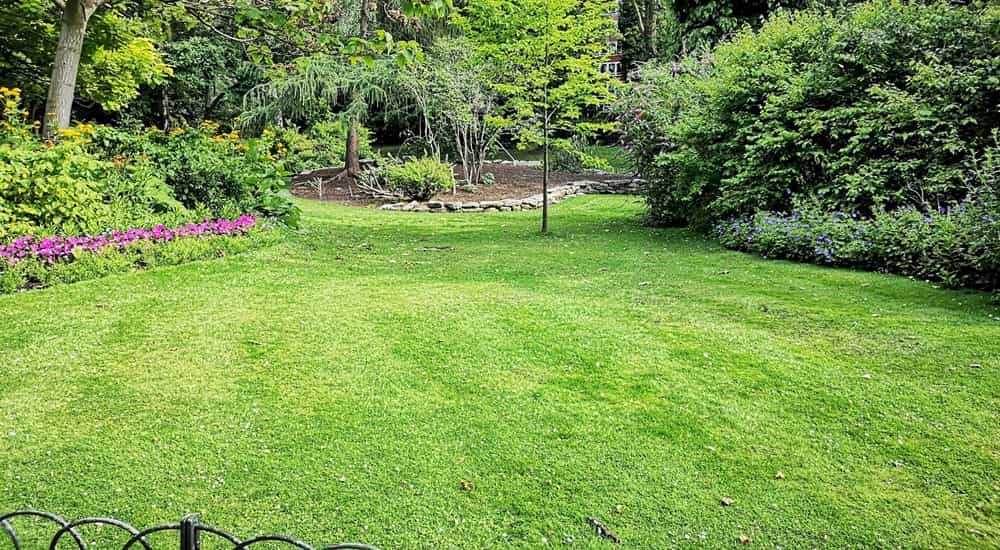
Planting and garden design
Once the ground is ready, it’s time to choose the plants and start shaping your garden. This is the most creative part of the process, where you can experiment with different plant combinations and design styles.
When choosing plants, it’s important to consider not only aesthetics but also the species’ adaptability to your local climate and soil type. Perennials are an excellent choice because they return year after year and require less maintenance. Recommended plants include lavender, rosemary and sage — they are beautiful, resilient and easy to care for. If you live in an area with limited water, opt for drought-resistant plants such as succulents and cacti, which don’t require frequent watering.
Additionally, decorating the space is key to giving your garden a personal and unique touch. Consider using pallets to create vertical gardens or outdoor furniture, allowing you to make efficient use of space while adding a rustic feel. Another idea is to recycle old objects as original planters, ensuring they have proper drainage. If you have enough space, creating small stone paths or adding structures like pergolas or trellises can completely transform your garden’s appearance.
Ongoing maintenance and care
Once your garden is planted and decorated, it is crucial to maintain it properly so it always looks healthy and attractive.
Watering and fertilising
Watering is essential for garden maintenance, and doing it correctly is key. Each plant has different water needs, so it is important to know them and adjust the frequency and amount of water accordingly. Overwatering can lead to root rot, while underwatering can cause plants to wilt and die. Fertilising periodically is also necessary to provide plants with essential nutrients. Choose organic fertilisers when possible, as they are more sustainable and less harmful to the environment.
Pest and disease control
Garden maintenance also involves being alert to potential pest and disease problems. Regularly inspect your plants for signs of pests, such as yellow leaves, holes or spots. There are ecological products that can help you manage these issues without harming the environment. Regular pruning is also essential to keep your plants healthy, encouraging proper growth and preventing the spread of disease.
Hire professionals to restore your garden
Although it’s possible to revive a garden on your own, sometimes the best option is to leave it in the hands of professionals, especially if the space is very neglected or if you prefer a more elaborate design.
At Guijarro Jardines, we specialise in garden design, maintenance and restoration. We have a team of professional gardeners in Alicante who can transform any green space into a personalised oasis tailored to your tastes and needs. If you’re looking for expert help to restore your garden, Guijarro Jardines is a reliable, high-quality choice.