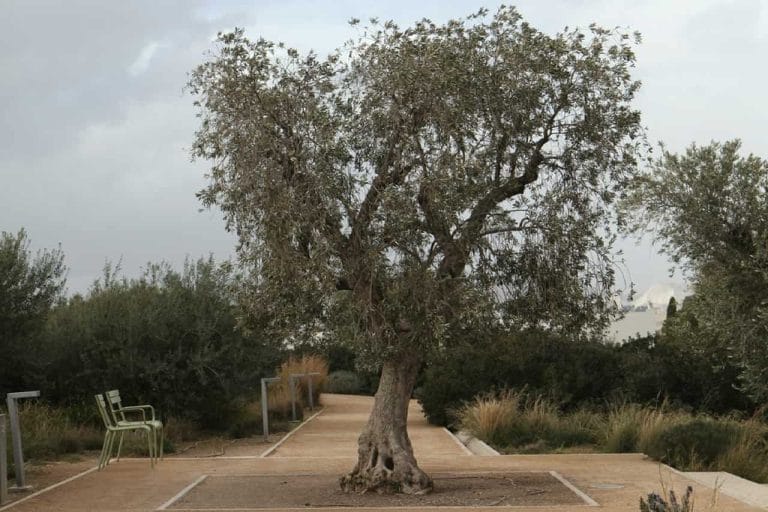
Mediterranean gardens are a true work of natural art, combining aesthetic beauty with environmental sustainability. Inspired by the sunny and dry regions surrounding the Mediterranean Sea, these gardens represent a sublime harmony between people and nature. Through the careful selection of climate-adapted plants, efficient water use and the incorporation of traditional elements, you can transform any outdoor space into a Mediterranean oasis full of charm and life.
Foundations of Mediterranean design
The design of a Mediterranean garden is based on solid principles that seek to replicate the natural conditions of coastal regions. These foundations include:
Water conservation and sustainable materials
One of the fundamental pillars of a Mediterranean garden is water conservation. As these areas tend to experience hot, dry summers, reducing reliance on irrigation is essential. Instead of large lawns that consume significant amounts of water, ground cover plants such as Aptenia cordifolia or creeping rosemary are used. Gravel, clay aggregates and decorative stones not only add texture and colour to the landscape but also help retain soil moisture and suppress weed growth.
Terracotta pots, iconic in Mediterranean gardens, are ideal for growing plants in containers. Terracotta is porous and allows water to evaporate gradually, helping to maintain an appropriate moisture balance for plants.
Selection of climate-adapted plants
Mediterranean native plants are the backbone of this type of garden. These species have evolved to survive in dry and sunny conditions, making them naturally resilient and low maintenance. Popular choices include olive trees (Olea europaea), bay laurel (Laurus nobilis), rosemary (Rosmarinus officinalis), lavender (Lavandula spp.) and oleander (Nerium oleander). These plants are not only visually attractive with their silvery foliage and vibrant flowers, but they also attract local wildlife such as butterflies and bees.
Structure and landscape composition
Mediterranean gardens typically feature an informal and naturalistic structure that mirrors the region’s natural landscapes. Shaded areas created by pergolas, arches or trees provide relief from intense sunlight and form cool, inviting spaces. Dense hedges such as myrtle (Myrtus communis) or boxwood (Buxus sempervirens) are used to define boundaries and add privacy. Rockeries, formed by groupings of stones and hardy plants, introduce a rustic and organic feel to the landscape.
Planning and detailed design
Mediterranean gardens are much more than simple green spaces; they reflect a culture rooted in natural beauty and sustainability. These gardens capture the essence of outdoor living in warm, dry climates. Below are the key aspects of planning and designing this type of garden:
Garden zoning
A key strategy in Mediterranean garden design is zoning according to plants’ water requirements. Dry areas are established with xerophytic plants that require minimal irrigation, such as lavender and thyme. Moderately irrigated zones are allocated to species that prefer slightly moister soil, such as citrus trees and abundant flowering plants. If present, wetter areas may include small ponds or fountains that attract local wildlife.
Design of decorative elements
Mediterranean gardens are characterised by traditional decorative elements that reflect the region’s culture and architectural style. Decorative tiles, terracotta, wrought iron and mosaics are common features. Stone pathways wind through the garden, connecting different areas and highlighting features such as ornamental pots, stone benches and pergolas covered with climbing plants.
Maintenance and care of a Mediterranean garden
One of the main advantages of a Mediterranean garden is its low maintenance once properly established. However, it still requires regular care to maintain its beauty and health:
- Watering: Although plants are drought-tolerant, it is important to provide water during prolonged dry periods to keep them healthy.
- Pruning: Trim shrubs, hedges and climbing plants regularly to maintain their shape and encourage healthy growth.
- Weed control: While ground covers and gravel reduce weed growth, manual control is still necessary to prevent competition with desired plants.
- Fertilisation: Apply organic fertilisers occasionally to maintain soil fertility and support healthy plant development.
Hire professional garden designers
Creating a Mediterranean garden requires in-depth knowledge of native plants, landscape design techniques and sustainability principles. To ensure your project is a success and that your Mediterranean garden truly resembles a paradise, consider hiring professional garden designers like us.
At Guijarro Jardines, we understand the importance of capturing the essence and unique beauty of a Mediterranean garden. Our landscape design experts can help you plan and create an outdoor space that reflects your tastes and needs while integrating harmoniously with its surroundings. From plant selection to the design of decorative elements, as experienced gardeners in Alicante, we are committed to turning your vision into reality.
Don’t wait any longer to transform your patio, terrace or garden into a Mediterranean oasis full of life and charm. Get in touch with Guijarro Jardines today and begin your journey towards an outdoor space inspired by the timeless beauty of the Mediterranean. Your dream garden is just a phone call away.