A dry garden is much more than a trend in outdoor design; it is a sustainable, cost-effective solution and perfect for anyone looking for a natural space that requires very little maintenance. At Guijarro Jardines, we know every project is unique, and the key lies in combining practicality, aesthetics and respect for the environment. Below, we explain how you can transform your outdoor space with a dry garden and how we can help you make it a reality.
What is a dry garden?
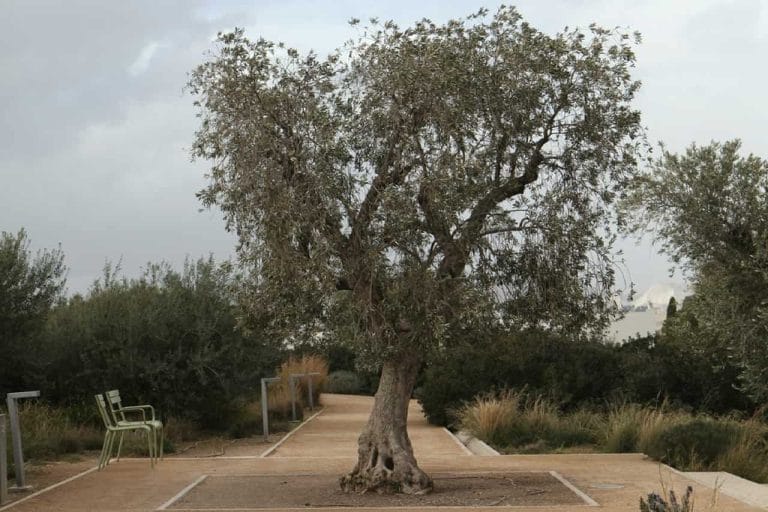
A dry garden is a type of landscape design that is characterised by the use of plants adapted to arid or semi-arid climates, together with materials such as gravel, rocks and natural decorative elements. This type of garden minimises water use and the care needed, making it an ideal option for areas with high temperatures or water restrictions.
Unlike traditional gardens, a dry garden does not need a lawn or constant watering. Instead, it makes use of native, drought-tolerant species, allowing you to create a natural space that adapts to its surroundings without requiring major resources.

Advantages of a dry garden
The benefits of a dry garden include:
- Water saving: This type of garden is designed to reduce water consumption to a minimum, which is essential in regions with dry climates or where water is a limited resource.
- Low maintenance: Forget about mowing the lawn, constant pruning or daily watering. A dry garden requires minimal care, saving you time and effort.
- Sustainability: By using native plants and natural materials, you help protect the environment and promote local biodiversity.
- Adaptation to climate change: In a context of increasingly extreme temperatures, a dry garden adapts easily to climatic conditions while maintaining its beauty and functionality.
Design and planning of a dry garden
Designing a dry garden requires good planning to make the most of the space available. These gardens are characterised by the use of drought-tolerant plants and natural materials that add texture and style. To achieve an efficient design, it is important to keep three key elements in mind:
Assessing the space
Each garden has specific conditions that must be taken into account before starting. It is essential to analyse the type of soil, sun exposure and local climate. Identifying the sunniest and shadiest areas allows you to define the best location for each element. This preliminary analysis is crucial to making the most of every corner of the garden.
Choosing the right plants
In dry gardens, plant selection is fundamental. The focus is on drought-tolerant species such as cacti, succulents, lavender and rosemary. These plants not only require little water, they also bring a variety of textures, colours and scents to the space. Combining different types of plants allows you to create an attractive, visually rich and low-maintenance environment.
Using materials and decorative elements
Decorative materials have a dual role: they enhance the look of the space and improve its functionality. Gravel, stones in different sizes, wood and mineral elements all work together to create a harmonious landscape. Efficient drainage systems are also important to prevent waterlogging, as they allow water to filter properly into the ground. This approach not only improves the aesthetics, but also contributes to the sustainability of the garden.

Maintaining a dry garden
Although dry gardens require less care than traditional ones, it is still important to carry out certain maintenance tasks to keep them looking beautiful and healthy all year round. Thanks to their sustainability-based design, these gardens stand out for how simple they are to look after. Some of the key aspects of maintaining a dry garden are:
- Efficient watering: Watering is minimal in this type of garden, but it is important that plants receive the right amount. Drip irrigation systems are an efficient option, as they deliver water directly to the plant’s root, preventing waste. This type of irrigation can be automated to optimise water use even further.
- Weed control: Adding gravel, stones or ground cover reduces the appearance of weeds. However, it is advisable to carry out periodic checks to remove any unwanted plants that may appear among decorative materials or near main plants. Using organic solutions or weed-control membranes can help prevent them from taking hold.
- Pruning: Some plants need light pruning to maintain their shape and encourage growth. This is done seasonally, depending on the needs of each plant. With proper pruning, the garden keeps a tidy, well-cared-for appearance all year round.
Our services to create your dry garden
If you are thinking about transforming your outdoor space, at Guijarro Jardines we offer everything you need. As professional gardeners, we take care of the entire process, from the initial assessment to construction and maintenance. We know every client has different needs, so we adapt our designs to reflect your style and preferences.
And if you are looking for a landscape design project in Alicante, we are ready to help you create a truly unique space. Our approach combines sustainability, functionality and aesthetics, ensuring a result that will exceed your expectations.
At Guijarro Jardines, we love transforming outdoor spaces into places that convey beauty and calm. A dry garden is the perfect solution for anyone looking for an attractive, sustainable design. If you would like to know more, don’t hesitate to get in touch. We are here to make the garden of your dreams a reality.